

Featured

My Journey As An Educator

Education is the most powerful weapon, which you can use to change the world.  

Nelson Mandela, former President South Africa

This is the first post on my new blog. I’m just getting this new blog going, so for starters, I will be sharing with you my journey as an educator and my philosophy as a teacher.

My Journey in a nutshell…

Two years ago I made the decision to move from my home country Jamaica to the US, with hopes of gaining international experience that would help me grow and develop into a better educator. The journey thus far has had its fair share of ups and downs, but the challenges has pushed me out of my comfort zone and allowed me to grow tremendously as an educator. The successes I’ve experienced since arriving here has furthered propelled my love and passion for teaching. It’s my desire to be the very best at my profession; being the best means been exposed to diverse cultures and meeting the challenges that new culture presents, so I can grow and develop. Teaching in a first world country has allowed me to develop my pedagogy skills. It has exposed me to innovative methods that I can use to reach the children I encounter when I return home in the future.

As I’ve always shared with my associates, I didn’t choose teaching, teaching choice me. After completing my undergraduate studies in environmental Biology, I thought I was on track to become a successfully environmental planner. After numerous failed interviews, and a growing school loan debt, I decided to shift focus and just find a job of any sort, something that would get me started on generating an income. I ended up been approached by a family friend who knew about an upcoming vacancy at a local high school in my home town. I ended up being interviewed by the administrator who hired me; that commenced my journey as an educator.

It wasn’t my intention to stay in the profession beyond two years, I still had desires to pursue my career in environmental biology, but as the years went by I realized I was really enjoying the teaching profession, it gave me a platform to reach young people and help to mentor and guide them into becoming better citizens. I eventually decided to complete my post graduate diploma in education and training which provided me with the formal training that I lacked. Looking back, I am grateful for where this journey has taken me and I look forward to the training and knowledge I will garner upon completing my Master Degree in Educational Technology at America College of Education (ACE).

Teacher Philosophy: Reasoned Thought

People are inquisitive by nature; as an educator my goal is to encourage my students to probe ideas and seek answers to question as they pop up during the learning experience. This approach of reasoning out ideas and seeking answers to thought provoking questions, provides the opportunity to advance the critical thinking skills of my students. “Teachers should emphasize critical thinking and problem solving skills by challenging students to question, reason, investigate, and conjecture. Students should relish in the thrill of learning and discovery” (Wiggins, 2019). A key theme of my teaching approach is to advance the critical thinking skills among my students and that is promoted through reasoned thought. As a science teacher, my goal is to encourage my students to think in a rational manner. As we move from a culture where our students were often taught rote memorization of facts, my aim is to encourage my students to analyze trends and make real life connections with whatever content they are engaged with.

We live in an information rich society; with this comes the challenge of our students not giving much thought to what information is presented to them through the various online sources. Embedded in my lessons weekly are activities geared towards helping my students’ probe and test scientific hypothesis and ideas. This is done through lab experiments but the rise of virtual online stimulation provides another opportunity for my students to further their understanding and obtain answers to the what, why and how of how biological processes occur and their relevance to life. “The most important step a teacher can take to help students develop critical thinking skill is to create a positive learning environment by respecting and promoting intellectual diversity. This not only sets an example for students to follow, but it also allows students to share their ideas openly with other students and the teacher. Respecting and promoting intellectual diversity requires a deeper understanding of how diversity manifests inside and outside of the classroom” (Anthony, 2019).

I endeavor to create an environment where students are not afraid to ask their questions and seek clarification to concepts discussed. As they explore the various content areas in biology, it is my hope that they think critically about whatever assignment their given and make meaningful connections to the content and world experiences. I will seek to create a segment throughout the week’s lesson where students can ready pose their questions to the group and in an organized manner have them addressed using the scientific method. In guiding students to pursue excellence, it is my desire to cultivate within them a love for knowledge as we strive daily to stimulate curiosity and advance critical thinking.

This website will be geared towards the sharing of educational resources for teachers within the science field. For conversation starter, what philosophy drives your daily instruction?

Stay tuned for what is to come! Subscribe below to get notified when I post new updates.

Reference:

Anthony, R. M. (2019, June 21). University Center for the Advancement of Teaching. Retrieved from The Ohio State University: https://ucat.osu.edu/professional-development/teaching-portfolio/philosophy/anthony-robert/

Wiggins, D. (2019, June 21). Statement of Philosophy . Retrieved from http://www.geom.uiuc.edu/~dwiggins/philosophy.html
Creating Safe Digital Learning Spaces

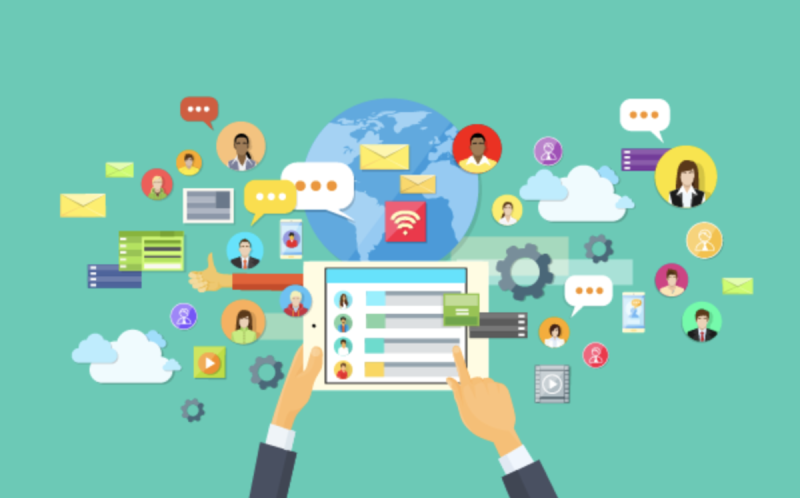
Safety and security are important topics that educational leaders must address when discussing technology integration.

Digital educators have learned the hard way that learners are relieved from the hazards of the online world as they utilize the various digital tools for learning. Educational technology leaders must work with school leaders in implementing the essential protocols that will safeguard all users engaged in online learning. To equalize the benefits of technology with the myriad of dangers, technology leaders must establish the appropriate structure for the sensitization and enforcement of federal laws that will seek to protect the identity of children online. Implementing internet filtering software is one approach that can readily safeguard students as the use of this software can block prohibited and unsafe websites. Students and staff can be educated on internet safety practices that protect their identity online in addition to instructing them on ways to locate and evaluate credible and reliable content online (Piña, 2020).

Federal Laws Governing Online Use

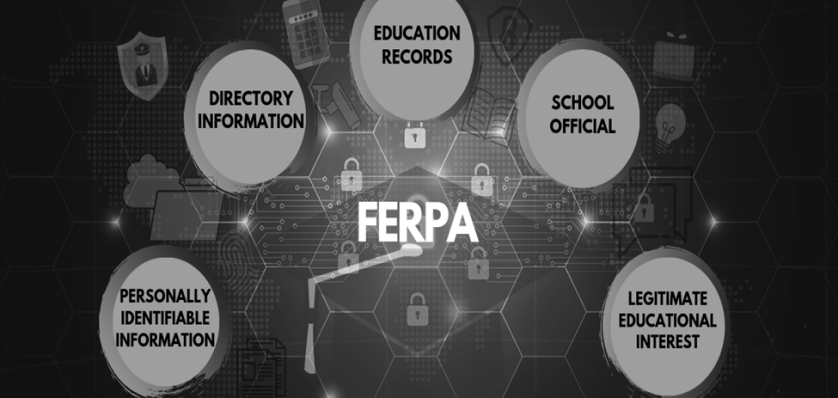
The Family Education Rights and Privacy Act (FERPA) and the Children’s Internet Protection Act (CIPA) are two important federal laws that educators can abide by within their learning environment as they seek to protect learners within their virtual learning environment. “The Family Educational Rights and Privacy Act (FERPA) is a federal law that protects the privacy of student education records. The law applies to all schools that receive funds under an applicable program of the U.S. Department of Education” (U.S. Department of Education, 2018, para.1). This law helps to safeguard the identity and pertinent information of students while making it illegal for teachers to broadcast student’s information without obtaining permission from their parents. Children’s Internet Protection Act (CIPA) orders that schools utilize “a specific technology that blocks or filters internet access. Minors must be blocked from accessing obscene imagery or anything depicting child pornography, and schools must monitor the online activities of minors using the internet at school” (Bretzman & Stork, 2013, p. 6). Educational technology leaders can implement the use of internet filtering software to further endorse the safety of all users while online. Internet filtering software allows users to block suspicious websites and filter out information inappropriate for children to access online. The disadvantage of this strategy is that it can also block authentic and beneficial websites (Piña, 2020).

The Role of Information Literacy Skills and Digital Citizenship

Teaching and educating our students and staff on information literacy is one way we can combat the dangers present within an online community and safely protect others. As Hamilton (2016) articulates “school librarians have always embraced the responsibility for teaching information literacy critical skills for locating, evaluating, and using information—but children also need to know the literacy of digital citizenship—how to conduct themselves safely” (p.11).  Through the directive of educational technology leaders, schools and school districts can encourage and educate students on how to become responsible digital citizens with the broader view of establishing a virtual school environment that is positive and uplifting. School leaders, teachers, parents, and other stakeholders can collaborate to develop a “digital citizenship curriculum that includes topics such as privacy and security, relationships and communication, cyberbullying and digital drama, digital footprints, and reputation, self-image and identity, information literacy, and creative credit and copyright” (Hamilton, 2016, p.11). These areas need to be addressed and taught to better educate and equip our students and staff with the skills and knowledge on how to navigate life online safely.

Practical Tips on Keeping Safe Online

Safe digital spaces yield a more meaningful learning environment and ultimately yields to greater learner outcomes; it fosters encouraging and constructive interactions among students.

It is paramount that digital educators establish and maintain a safe learning space for students as they engage online daily. This is done through teaching and modeling to students the skills and behaviors they desire students to display as they share and collaborate through various online activities. Safe digital spaces yield a more meaningful learning environment and ultimately yields to greater learner outcomes; it fosters encouraging and constructive interactions among students.  It, therefore, means that students have to be taught how to protect their identity and maintain their privacy online. A number of the digital tools used in the classroom may require students to add a photo of themself when creating accounts; teachers can encourage them to use an avatar instead to protect their identity. Also, teachers can advise them to type first names and last initials as identifiers in the different discussion platforms.

Teaching them about privacy settings and enabling them to control and edit their privacy settings in the various digital tools used is another way we can navigate the dangers and establish safe digital spaces. Schools working with their educational technology leader can take a more proactive approach by developing digital safety campaigns to teach the importance of internet safety to teachers, students, and parents. Digital educators must take extra effort to vet the various educational online tools utilized in the learning environment because not every site is trustworthy. Teachers can further protect learners by researching “online sites and platforms and make sure others have had a positive experience from the perspective of safety, security, and privacy before recommending them to students” (Hamilton, 2016, p.12).

Conclusion

As we engage in online learning with our students during the COVID-19 pandemic, the matter of safety for all users becomes all so important.

Our students need to be made aware of the dangers of engaging within an online community so that they can use the valuable resource for their educational needs without falling prey to any kind of cyber-crime. As we engage in online learning with our students during the COVID-19 pandemic, the matter of safety for all users becomes all so important. Educators can engage students in training activities that will provide them with the necessary skills and knowledge that will need to safely navigate their digital learning environment. Making the information relevant to their personal development is one of the best ways to ensure they develop good digital habits for their entire lives. Establishing a safe digital learning space for our digital native learners provides a learning environment where students have clear expectations as to what warrants positive online behavior as they actively engage online.

References:

Bretzman, J., & Stork, M. G. (2013). Is it time to stop filtering the internet at school? Learning & leading with technology, 4, 6.

Hamilton, B. (2016). Citizenship in the digital world. Library Sparks, 13(8), 11–14.

Piña, A. (Course Lecturer). (2019) Educational technology systems management: Module 3: Technology safety and security. American College of Education. Retrieved from https://a19-97784364.cluster19.canvas-user-content.com/courses/1679840/files/97784364/course%20files/course-content/module-content/video-files/scripts/et5083-m3p1-script.pdf

U.S. Department of Education. (2018). Family educational rights and privacy act (FERPA). Retrieved from https://www2.ed.gov/policy/gen/guid/fpco/ferpa/index.html

Activities for a Technology Staff Development Curriculum focused on Technology and Universal Design for Learning.

Giving every student a chance.

Introduction

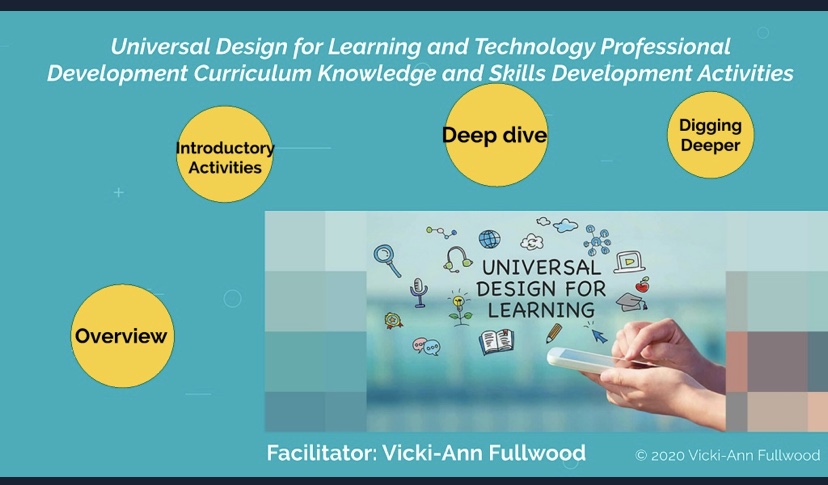
Care must be taken when facilitating a professional development session to ensure that enough firmness and persistence are provided to challenge participants while allowing them to explore and create a meaningful understanding of concepts for themselves (Hargreaves & Fullan, 2012). This post gives access to a presentation that outlines a series of activities for a technology staff development curriculum focused on technology and Universal Design for Learning. These activities are designed to elicit and develop the skills and knowledge participants will need to complete the culminating activity for the staff development program.

Description of Activities

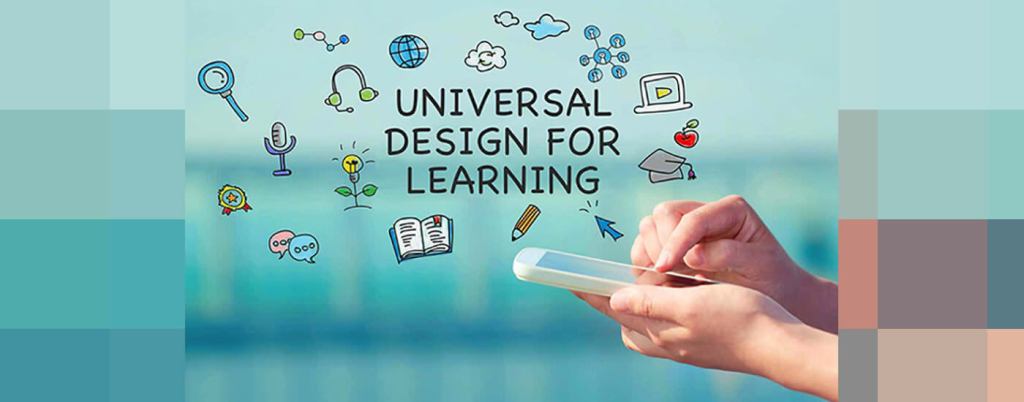
The presentation is organized into 4 sections. Section 1 provides an overview of the professional development curriculum with a graphic explanation of Universal Design for Learning and the purpose and learner outcomes of the entire professional development curriculum. Section 2 will provide a link to the needs assessment survey that participants will respond to at the start of the training. Section 2 will also provide the norms for behavior learning during the two-day session and an introductory activity that will usher in the series of activities described in sections 3 and 4. These activities will be fundamental in developing the skills and knowledge participants will need to complete the culminating activity in the second 3 hour session of the training program. These activities are collaborative; they are driven by innovative technology tools with the facilitator operating as a co-learner and as a consultant when expert knowledge and skills are required. Click on the image below to access presentation.

Universal Design for Learning and Technology Curriculum Segment

Conclusion

Curriculum designers need to be conscious of the effectiveness of a well-developed and well defined professional development session has in promoting and encouraging positive changes within the learning environment. When participants collaborate consistently, they increase the chance of bettering learner outcomes which will ultimately lead to all students benefiting when they return to the classroom to implement the new skills and knowledge learned. Participants benefit more from a professional development session that requires them to utilize their unique knowledge and skills as they engage in learning new information. Curriculum designers must be intentional in the creation and selection of learning activities so that the various learning styles are catered for and participants will have multiple opportunities to develop the necessary skills and knowledge needed to gain mastery of the learning objectives.

References

Armour, K.M., & Yelling, M. (2007). Effective professional development for physical education teachers: The role of informal, collaborative learning. Journal of Teaching in Physical Education, 26, 177–200.

Hargreaves, A., & Fullan, M. (2012). Professional capital: Transforming teaching in every school. New York: Teachers College Press.

Profile

Hey everyone! Welcome to my blog! My name is Vicki-Ann Fullwood and I teach Biology Honors at an Early College High School in the state North Carolina.  I am a young vibrant Science Teacher originally from the sunny Island of Jamaica. I received my Bachelor of Science Degree in Environmental Biology from the University of West Indies Mona in Jamaica. I am a trained teacher having obtained a Post Graduate Diploma in Education and Training from the Vocational Development and Training Institute. I am currently pursuing my Masters Degree in Educational Technology through the America College of Education (ACE).

This is my 8th year of teaching and I have taught grades 7-11. During my teaching career, I have taught Biology, Human and Social Biology, Integrated Science and Agricultural Science. Teaching the sciences is my passion and I aim to share my experiences and ideas with my peers as we strive to prepare our students to become lifelong learners, equipped with the 21st century skills needed to take on the jobs of the future.

The purpose of this blog site to to establish my professional digital presence through the sharing of educational and technology resources with my peers and members within my professional learning network. It is my hope that this blog site will provide an opportunity to share on different topics relevant to education and education technology. It will provide a platform where other educators can share and provide added value to the different post made.

Design a site like this with WordPress.com
Get started