
Digital educators have learned the hard way that learners are relieved from the hazards of the online world as they utilize the various digital tools for learning. Educational technology leaders must work with school leaders in implementing the essential protocols that will safeguard all users engaged in online learning. To equalize the benefits of technology with the myriad of dangers, technology leaders must establish the appropriate structure for the sensitization and enforcement of federal laws that will seek to protect the identity of children online. Implementing internet filtering software is one approach that can readily safeguard students as the use of this software can block prohibited and unsafe websites. Students and staff can be educated on internet safety practices that protect their identity online in addition to instructing them on ways to locate and evaluate credible and reliable content online (Piña, 2020).
Federal Laws Governing Online Use
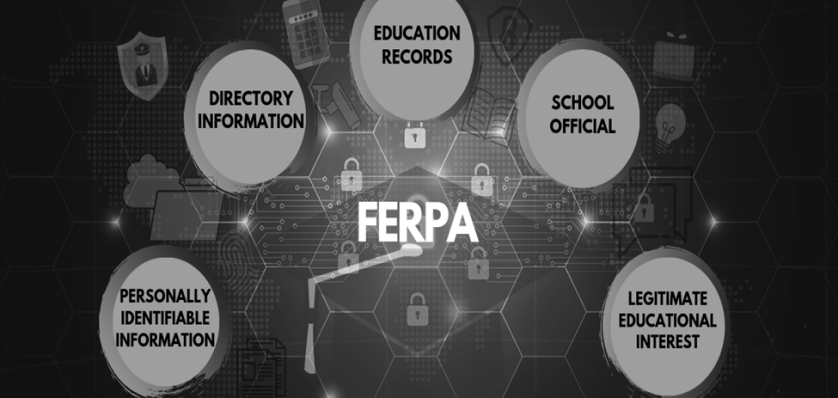
The Family Education Rights and Privacy Act (FERPA) and the Children’s Internet Protection Act (CIPA) are two important federal laws that educators can abide by within their learning environment as they seek to protect learners within their virtual learning environment. “The Family Educational Rights and Privacy Act (FERPA) is a federal law that protects the privacy of student education records. The law applies to all schools that receive funds under an applicable program of the U.S. Department of Education” (U.S. Department of Education, 2018, para.1). This law helps to safeguard the identity and pertinent information of students while making it illegal for teachers to broadcast student’s information without obtaining permission from their parents. Children’s Internet Protection Act (CIPA) orders that schools utilize “a specific technology that blocks or filters internet access. Minors must be blocked from accessing obscene imagery or anything depicting child pornography, and schools must monitor the online activities of minors using the internet at school” (Bretzman & Stork, 2013, p. 6). Educational technology leaders can implement the use of internet filtering software to further endorse the safety of all users while online. Internet filtering software allows users to block suspicious websites and filter out information inappropriate for children to access online. The disadvantage of this strategy is that it can also block authentic and beneficial websites (Piña, 2020).
The Role of Information Literacy Skills and Digital Citizenship
Teaching and educating our students and staff on information literacy is one way we can combat the dangers present within an online community and safely protect others. As Hamilton (2016) articulates “school librarians have always embraced the responsibility for teaching information literacy critical skills for locating, evaluating, and using information—but children also need to know the literacy of digital citizenship—how to conduct themselves safely” (p.11). Through the directive of educational technology leaders, schools and school districts can encourage and educate students on how to become responsible digital citizens with the broader view of establishing a virtual school environment that is positive and uplifting. School leaders, teachers, parents, and other stakeholders can collaborate to develop a “digital citizenship curriculum that includes topics such as privacy and security, relationships and communication, cyberbullying and digital drama, digital footprints, and reputation, self-image and identity, information literacy, and creative credit and copyright” (Hamilton, 2016, p.11). These areas need to be addressed and taught to better educate and equip our students and staff with the skills and knowledge on how to navigate life online safely.
Practical Tips on Keeping Safe Online
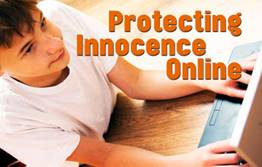
It is paramount that digital educators establish and maintain a safe learning space for students as they engage online daily. This is done through teaching and modeling to students the skills and behaviors they desire students to display as they share and collaborate through various online activities. Safe digital spaces yield a more meaningful learning environment and ultimately yields to greater learner outcomes; it fosters encouraging and constructive interactions among students. It, therefore, means that students have to be taught how to protect their identity and maintain their privacy online. A number of the digital tools used in the classroom may require students to add a photo of themself when creating accounts; teachers can encourage them to use an avatar instead to protect their identity. Also, teachers can advise them to type first names and last initials as identifiers in the different discussion platforms.
Teaching them about privacy settings and enabling them to control and edit their privacy settings in the various digital tools used is another way we can navigate the dangers and establish safe digital spaces. Schools working with their educational technology leader can take a more proactive approach by developing digital safety campaigns to teach the importance of internet safety to teachers, students, and parents. Digital educators must take extra effort to vet the various educational online tools utilized in the learning environment because not every site is trustworthy. Teachers can further protect learners by researching “online sites and platforms and make sure others have had a positive experience from the perspective of safety, security, and privacy before recommending them to students” (Hamilton, 2016, p.12).
Conclusion
Our students need to be made aware of the dangers of engaging within an online community so that they can use the valuable resource for their educational needs without falling prey to any kind of cyber-crime. As we engage in online learning with our students during the COVID-19 pandemic, the matter of safety for all users becomes all so important. Educators can engage students in training activities that will provide them with the necessary skills and knowledge that will need to safely navigate their digital learning environment. Making the information relevant to their personal development is one of the best ways to ensure they develop good digital habits for their entire lives. Establishing a safe digital learning space for our digital native learners provides a learning environment where students have clear expectations as to what warrants positive online behavior as they actively engage online.
References:
Bretzman, J., & Stork, M. G. (2013). Is it time to stop filtering the internet at school? Learning & leading with technology, 4, 6.
Hamilton, B. (2016). Citizenship in the digital world. Library Sparks, 13(8), 11–14.
Piña, A. (Course Lecturer). (2019) Educational technology systems management: Module 3: Technology safety and security. American College of Education. Retrieved from https://a19-97784364.cluster19.canvas-user-content.com/courses/1679840/files/97784364/course%20files/course-content/module-content/video-files/scripts/et5083-m3p1-script.pdf
U.S. Department of Education. (2018). Family educational rights and privacy act (FERPA). Retrieved from https://www2.ed.gov/policy/gen/guid/fpco/ferpa/index.html


